
Pancytopenia Treatment in Ahmedabad
Specialist for Pancytopenia Treatment in Ahmedabad
Dr. Aishwarya Raj provides consultation and treatment for Pancytopenia, with a focus on compassionate care. With a deep understanding of the condition and a patient-centric approach, she provides evidence-based treatment, helping patients lead healthy and fulfilling lives.
- Experienced specialist care in Pancytopenia treatment.
- A Complete Diet Suggestion according to your blood count reports
- Talk to Our Specialist
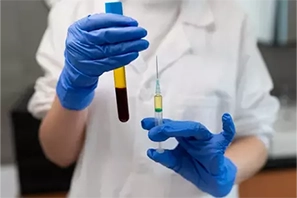
"Pancytopenia" is a medical term used to describe a condition characterized by a decrease in the number of all three major types of blood cells: red blood cells (RBCs), white blood cells (WBCs), and platelets. The term "pancytopenia" is derived from the Greek words "pan" (meaning "all") and "cyto" (meaning "cell").
The symptoms of pancytopenia can vary depending on the severity and underlying cause. Common symptoms may include fatigue, weakness, shortness of breath, pale skin (due to anemia), increased susceptibility to infections, easy bruising or bleeding
Pancytopenia symptoms can appear suddenly and may include:
Tap the symptoms you have noticed.
Book AppointmentCauses of Pancytopenia :
- 01
Bone marrow disorders
- 02
Autoimmune disorders
- 03
Infections
- 04
Medications and treatments
- 05
Nutritional deficiencies
- 06
Inherited disorders
Diagnosis Test :
- 01
Medical history and physical examination
- 02
Complete blood count (CBC)
- 03
Peripheral blood smear
- 04
Bone marrow aspiration and biopsy
- 05
Additional tests
Treatment
- Medications
- Blood transfusions
- Hematopoietic stem cell transplant (HSCT)
- Supportive care
- Management of complications
Specialist For Pancytopenia Treatment

Dr. Aishwarya Raj
Hematologist
MBBS , MD , Fellowship in Clinical Hemato-Oncology
Dr. Aishwarya Raj (M.B.B.S., M.D., Fellowship in Hemato-Oncology) is the consultant hematologist at Aaryaa Endocrine Clinic and provides Pancytopenia treatment. Dr. Raj focuses on careful evaluation and individualised, evidence-based care.
With years of experience and extensive knowledge in Pancytopenia, Dr. Raj offers comprehensive and personalized treatment plans for patients. She understands the complexities of Pancytopenia and recognizes the importance of tailoring treatment to meet the unique needs of each individual.
Dr. Raj stays up-to-date with the latest advancements in Pancytopenia research and treatment modalities. Her approach combines evidence-based practices with compassionate care, with attention to each patient's individual needs.
For Pancytopenia treatment, you can consult Dr. Raj at Aaryaa Endocrine Clinic. Take the first step towards effective Pancytopenia management and a healthier life.
Frequently Asked Questions
Have another question about Pancytopenia treatment? Call or message the clinic.
Call +91 93161 33482