

Acromegaly Treatment in Ahmedabad
Specialist for Acromegaly Treatment in Ahmedabad
Dr. S.K. Agarwal provides consultation and treatment for Acromegaly, with a focus on compassionate care. With a deep understanding of the condition and a patient-centric approach, he provides evidence-based treatment, helping patients lead healthy and fulfilling lives.
- Experienced specialist care in Acromegaly Treatment.
- Personalised guidance according to your hormone test reports
- Talk to Our Specialist

Acromegaly is a rare hormonal disorder that occurs when the pituitary gland produces excessive amounts of growth hormone (GH) after the growth plates have closed. This excess GH leads to the enlargement and thickening of bones, tissues, and organs, causing a range of symptoms.
Acromegaly is typically caused by a noncancerous tumor called an adenoma that develops in the pituitary gland. This tumor causes excessive production of growth hormone, leading to the symptoms of acromegaly. In some cases, the cause may be non-pituitary tumors or genetic conditions that affect the production or action of growth hormone.
Acromegaly is characterized by the following symptoms, which develop gradually over time:
Tap the symptoms you have noticed.
Book AppointmentCauses of Acromegaly :
Acromegaly is caused by the overproduction of growth hormone (GH) by the pituitary gland. The most common cause is a noncancerous tumor called an adenoma, which develops within the pituitary gland and leads to excessive GH secretion. In rare cases, acromegaly can be caused by tumors outside the pituitary gland, known as ectopic tumors, or by a genetic disorder that affects the production or action of GH.
Diagnosis Test :
- 01
Medical history and physical examination
- 02
Hormone testing
- 03
Imaging studies
Treatment
- Surgery
- Medications
- Radiation therapy
Specialist For Acromegaly Treatment
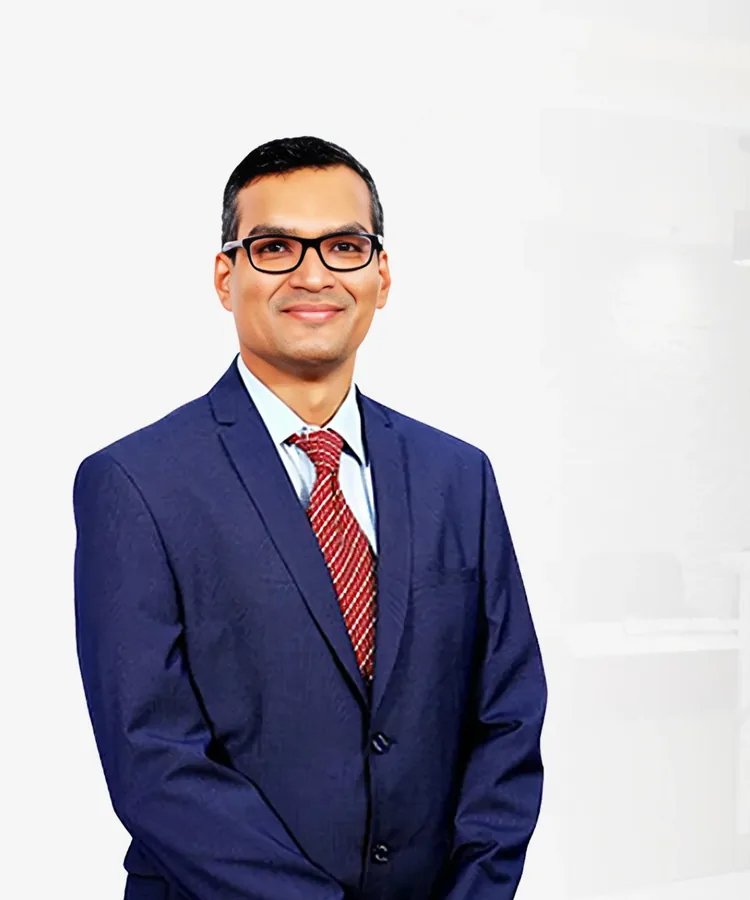
Dr. S.K. Agarwal
Endocrinologist
MBBS , MD (Internal Medicine), D.M. (endocrinology)
Dr. S.K. Agarwal (M.B.B.S., M.D., D.M. Endocrinology) is the consultant endocrinologist at Aaryaa Endocrine Clinic and provides Acromegaly Treatment. Dr. Agarwal focuses on careful evaluation and individualised, evidence-based care.
Dr. Agarwal stays up-to-date with the latest advancements in acromegaly research and treatment modalities. His approach combines evidence-based practices with compassionate care, with attention to each patient's individual needs.
For Acromegaly Treatment, you can consult Dr. S.K. Agarwal at Aaryaa Endocrine Clinic. Take the first step towards effective acromegaly treatment and a healthier life.
Frequently Asked Questions
Have another question about Acromegaly treatment? Call or message the clinic.
Call +91 93161 33482