

Lipid Disorder Treatment in Ahmedabad
Specialist for Lipid Disorder Treatment in Ahmedabad
Dr. S.K. Agarwal provides consultation and treatment for Lipid Disorder, with a focus on compassionate care. With a deep understanding of the condition and a patient-centric approach, he provides evidence-based treatment, helping patients lead healthy and fulfilling lives.
- Experienced specialist care in Lipid Disorder treatment.
- A Complete Diet Suggestion according to your lipid profile
- Talk to Our Specialist

Lipid disorders, also known as dyslipidemia, refer to abnormal levels of lipids (fats) in the blood, including cholesterol and triglycerides. Lipid disorders can increase the risk of cardiovascular diseases such as heart disease and stroke.
Lipid disorders are diagnosed through a blood test called a lipid profile. This test measures various lipid parameters, including total cholesterol, low-density lipoprotein cholesterol (LDL-C), high-density lipoprotein cholesterol (HDL-C), and triglycerides. The results are used to assess the risk of cardiovascular diseases.
Symptoms :
Lipid disorders, such as high cholesterol or high triglycerides, usually do not cause specific symptoms. They are often asymptomatic and are detected through routine blood tests. However, extremely high lipid levels can sometimes manifest as symptoms such as:
Tap the symptoms you have noticed.
Book AppointmentCauses of Lipid Disorder :
- 01
Poor Diet
- 02
Sedentary Lifestyle
- 03
Obesity
- 04
Genetics
- 05
Medical Conditions
- 06
Medications
Diagnosis Test :
- 01
Total cholesterol
- 02
Low-density lipoprotein cholesterol (LDL-C)
- 03
High-density lipoprotein cholesterol (HDL-C)
- 04
Triglycerides
Treatment
- Lifestyle Modifications
- Medications
Specialist For Lipid Disorder Treatment
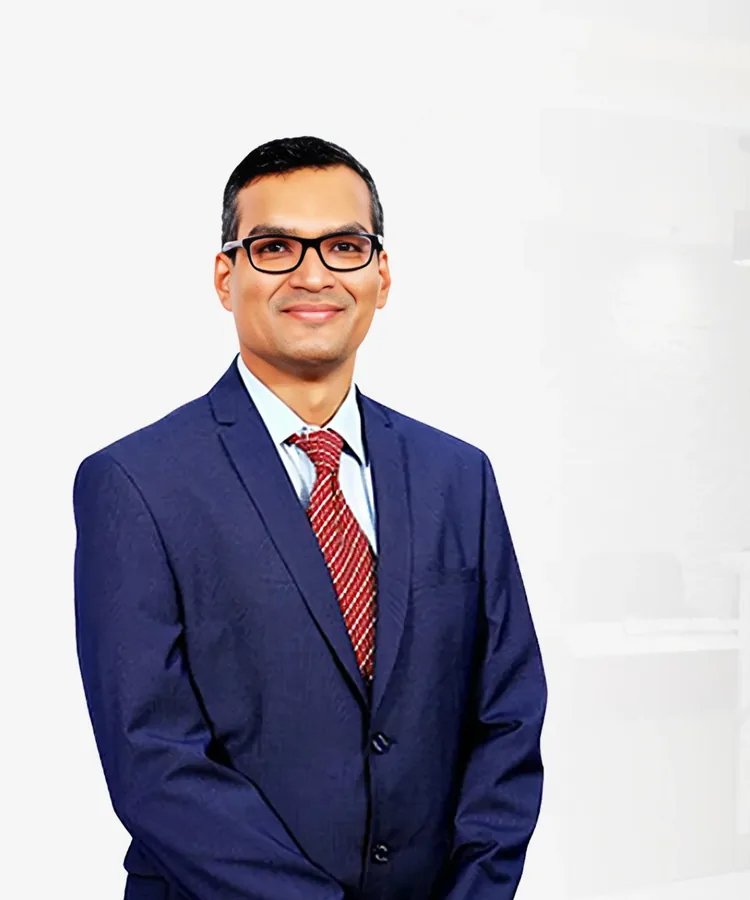
Dr. S.K. Agarwal
Endocrinologist
MBBS , MD (Internal Medicine), D.M. (endocrinology)
Dr. S.K. Agarwal (M.B.B.S., M.D., D.M. Endocrinology) is the consultant endocrinologist at Aaryaa Endocrine Clinic and provides Lipid Disorder treatment. Dr. Agarwal focuses on careful evaluation and individualised, evidence-based care.
With years of experience and extensive knowledge in Lipid Disorder management, Dr. Agarwal offers comprehensive and personalized treatment plans for patients. He understands the complexities of Lipid Disorder and recognizes the importance of tailoring treatment to meet the unique needs of each individual.
Dr. Agarwal stays up-to-date with the latest advancements in Lipid Disorder research and treatment modalities. His approach combines evidence-based practices with compassionate care, with attention to each patient's individual needs.
For Lipid Disorder treatment, you can consult Dr. S.K. Agarwal at Aaryaa Endocrine Clinic. Take the first step towards effective Lipid Disorder management and a healthier life.
Frequently Asked Questions
Have another question about Lipid Disorder treatment? Call or message the clinic.
Call +91 93161 33482