

Bleeding Disorders Treatment in Ahmedabad
Specialist for Bleeding Disorders Treatment in Ahmedabad
Dr. Aishwarya Raj provides consultation and treatment for Bleeding Disorders, with a focus on compassionate care. With a deep understanding of the condition and a patient-centric approach, she provides evidence-based treatment, helping patients lead healthy and fulfilling lives.
- Experienced specialist care in Bleeding Disorders treatment.
- Personalised guidance according to your blood test reports
- Talk to Our Specialist

A Bleeding Disorders is a medical condition characterized by abnormal bleeding or clotting tendencies. It refers to a group of conditions that affect the body's ability to form blood clots or control bleeding. Normally, when a blood vessel is injured, the body initiates a complex process called hemostasis, which involves the formation of a blood clot to stop the bleeding.
In individuals with Bleeding Disorderss, this process is impaired, leading to prolonged bleeding or spontaneous bleeding even without an obvious injury.
Symptoms of Bleeding Disorders
Tap the symptoms you have noticed.
Book AppointmentCauses of Bleeding Disorders :
- 01
Liver disease
- 02
Vitamin deficiencies
- 03
Medications
- 04
Autoimmune disorders
- 05
Cancer
- 06
Other underlying medical conditions
Diagnosis Test :
- 01
Medical history and physical examination
- 02
Genetic testing
- 03
Laboratory tests
- 04
Bleeding assessment tools
Treatment
- Replacement therapies
- Desmopressin (DDAVP)
- Antifibrinolytic medications
- Hormonal therapies
- Supportive measures
- Comprehensive care centers
Specialist For Bleeding Disorders Treatment
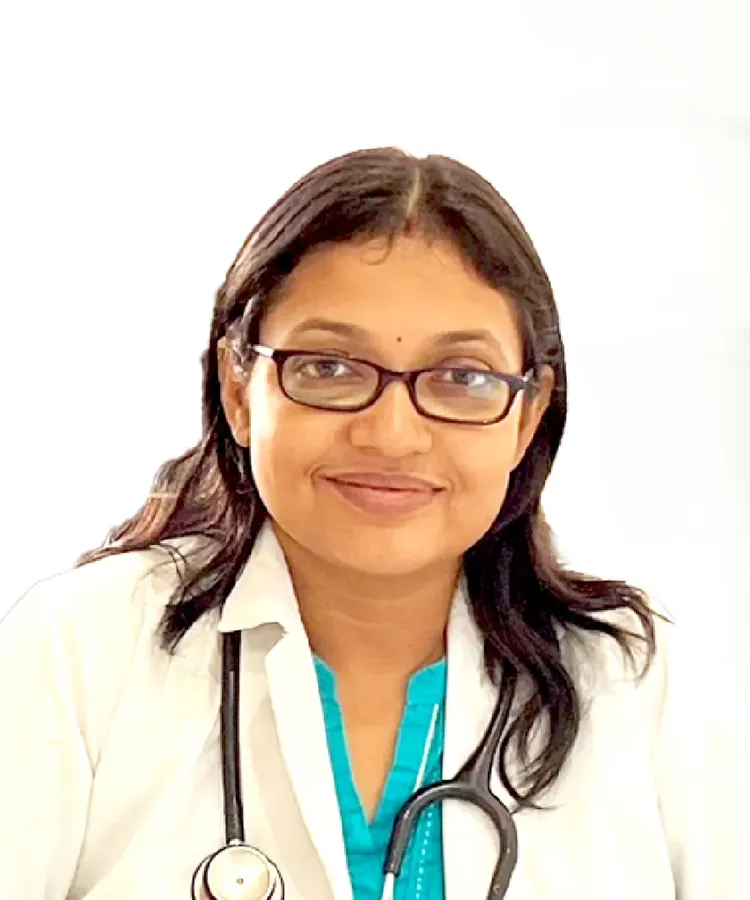
Dr. Aishwarya Raj
Hematologist
MBBS , MD , Fellowship in Clinical Hemato-Oncology
Dr. Aishwarya Raj (M.B.B.S., M.D., Fellowship in Hemato-Oncology) is the consultant hematologist at Aaryaa Endocrine Clinic and provides Bleeding Disorders treatment. Dr. Raj focuses on careful evaluation and individualised, evidence-based care.
With years of experience and extensive knowledge in Bleeding Disorders, Dr. Raj offers comprehensive and personalized treatment plans for patients. She understands the complexities of Bleeding Disorders and recognizes the importance of tailoring treatment to meet the unique needs of each individual.
Dr. Raj stays up-to-date with the latest advancements in Bleeding Disorders research and treatment modalities. Her approach combines evidence-based practices with compassionate care, with attention to each patient's individual needs.
For Bleeding Disorders treatment, you can consult Dr. Raj at Aaryaa Endocrine Clinic. Take the first step towards effective Bleeding Disorders management and a healthier life.
Frequently Asked Questions
Have another question about Bleeding Disorders treatment? Call or message the clinic.
Call +91 93161 33482